The standard treatment model - complete separation from professional life for 30–90 days - is not viable for all patients. A senior executive, business owner, or professional with immediate responsibilities cannot fully disappear. Athena Luxus's programme accommodates the minimum essential professional contact some patients require, under clinical guidance about what is appropriate and when, without compromising the treatment that makes recovery possible.
Why Delhi's Most Discerning Patients Choose Athena Luxus
Absolute Confidentiality
For senior executives, politicians, media personalities, and HNI families, confidentiality is a professional and personal necessity. Athena Luxus operates with the most stringent information security of any private treatment centre in Delhi.
4-Acre Estate
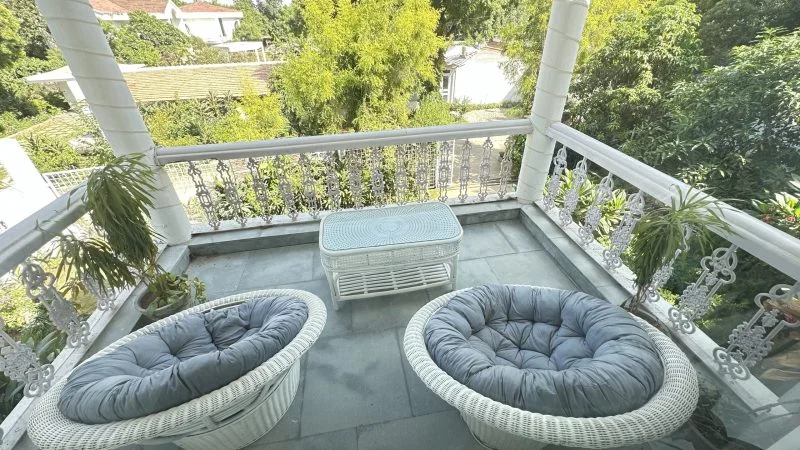
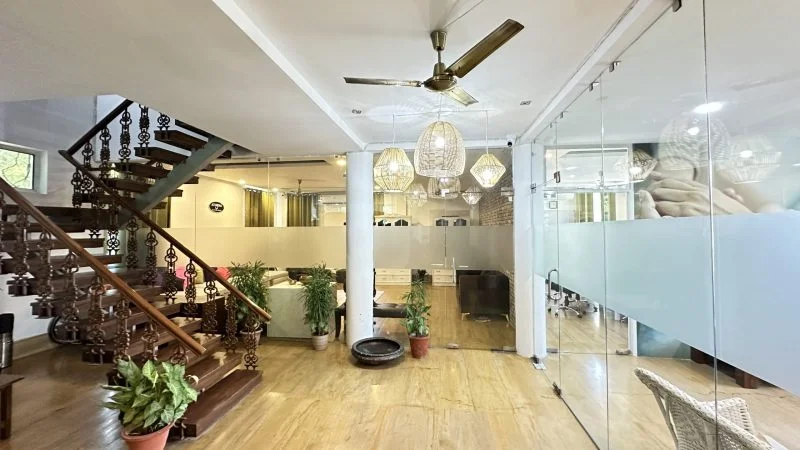
18 private rooms within a 4-acre estate where outdoor space, natural light, and a non-institutional setting actively support recovery. No other Delhi NCR facility matches this.
15 Minutes from IGI Airport
The most airport-accessible private psychiatric residential facility in Delhi NCR - the natural first stop for NRI patients from the UK, USA, UAE, Singapore, or elsewhere.
All Ages Including Geriatric Care
Treating patients from young adults through to the elderly with specific clinical adaptations for each age group.
Psychiatry-Led Throughout
Clinical decisions assessment, diagnosis, medication, discharge are made by or under direct supervision of qualified.
The Estate and Environment
01
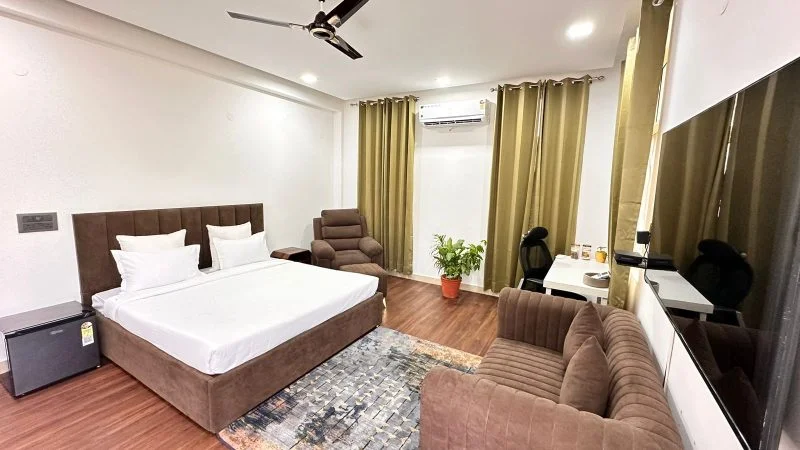
18 Spacious Private Rooms
Not hospital rooms; comfortable private accommodations designed for rest, privacy, and the psychological benefit of personal space during recovery.
02
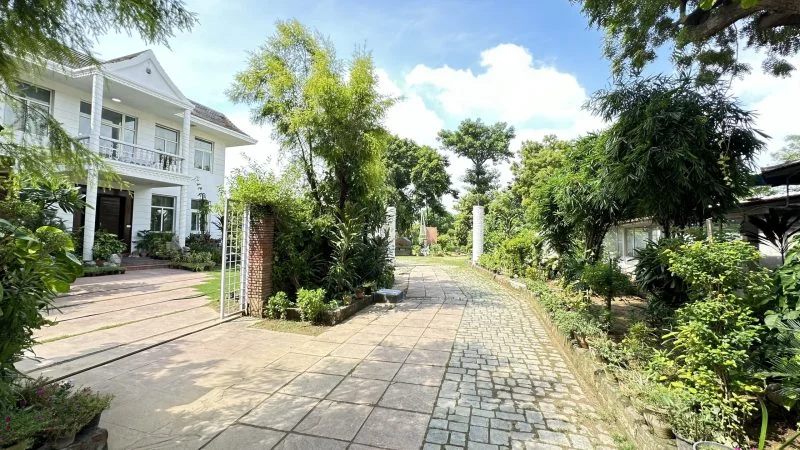
4-Acre Outdoor Grounds
Open space, natural light, and ability to walk and sit outside throughout the day, within the estate boundary.
03
Private Therapy & Consultation Rooms
Acoustically appropriate for individual psychiatric review, psychotherapy, and family meetings.
04
Meditation, Yoga & Mindfulness Spaces
Dedicated areas for evidence-supported wellness practices integrated into the clinical programme.
05
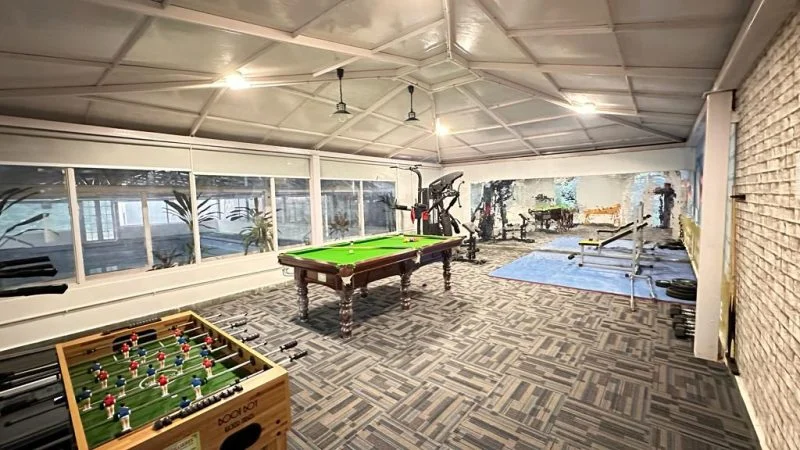
Recreational Facilities
Physical activity, creative engagement, and structured recreation supporting the rebuilding of routine and motivation.
06
Freshly Prepared Nutritious Meals
Quality appropriate to a premium treatment environment, addressing clinical nutrition requirements of recovery.
07
24-Hour Medical & Nursing Supervision
Comfort of the environment never at the expense of clinical safety.
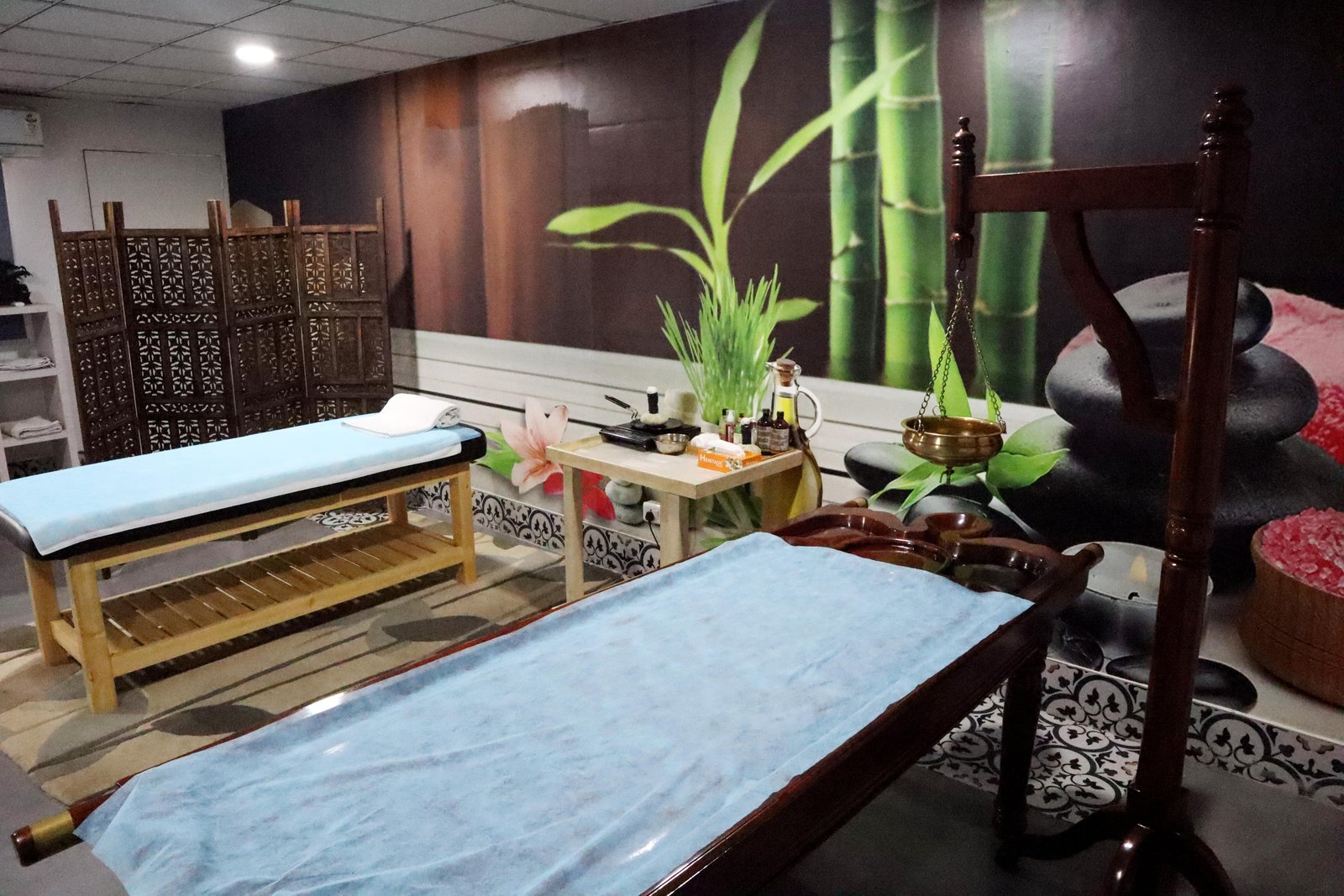
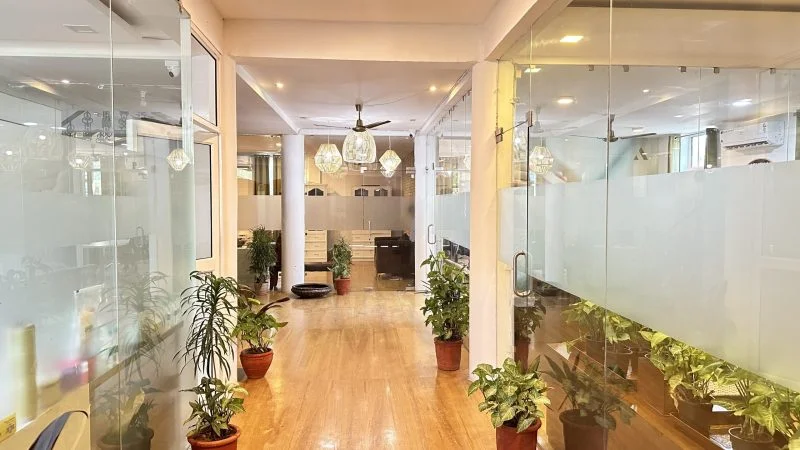
Inside Athena Behavioral Health - Luxus
Safe, modern, and healing-focused infrastructure designed for recovery.

Conditions Treated at Athena Luxus
01
Alcohol Addiction Treatment
Alcohol use disorder is the most common addiction presenting at Athena, consistent with national data. Medically supervised alcohol detox is the essential first clinical step - alcohol withdrawal carries genuine medical risk including seizures and delirium tremens that require clinical management. Residential rehabilitation combines psychiatric management of co-occurring depression and anxiety, Cognitive Behavioural Therapy, motivational enhancement therapy, family counselling, and structured relapse prevention.
02
Drug Addiction and Opioid Dependence
Heroin and opioid dependence, pharmaceutical opioid misuse (tramadol, codeine, benzodiazepines), cannabis addiction, cocaine, MDMA, and polysubstance dependence are all treated. Buprenorphine-assisted treatment for opioid dependence - the most evidence-supported pharmacological approach - is available under psychiatrist prescription and monitoring within a regulated clinical framework.
03
Cannabis Addiction
Cannabis use disorder is the second most common addiction presentation, particularly among young professionals and students. Approximately 1 in 10 regular users develop dependence, rising to 1 in 3 daily users. CBT and motivational enhancement therapy are the primary evidence-based treatments, alongside concurrent management of co-occurring anxiety.
04
Executive Burnout
Burnout - the state of emotional, physical, and professional exhaustion caused by sustained overload - is one of the most common presentations at Athena Luxus from Delhi's professional population. Unlike depression (which it often accompanies), burnout is occupational in origin. The programme combines psychiatric assessment for co-occurring depression or anxiety, structured rest and recovery, CBT for perfectionism and overwork patterns, and specific work reintegration planning. The 4-acre estate provides the physical separation from professional demands that burnout recovery specifically requires.
05
Depression
Depression affects an estimated 56 million Indians. In Athena's clinical population, high-functioning professionals represent a significant proportion: people who continue to work and maintain external appearances while managing significant internal distress, often for years. Comprehensive psychiatric assessment, antidepressant medication management, CBT, and residential care for severe or treatment-resistant presentations are all available.
06
Anxiety Disorders and OCD
Generalised anxiety disorder, panic disorder, social anxiety, health anxiety, and OCD are all treated. OCD requires Exposure and Response Prevention (ERP) therapy - not generic counselling - delivered by specifically trained clinicians alongside SSRI medication where indicated. CBT is the most evidence-supported treatment for all anxiety disorders.
07
Bipolar Disorder
Bipolar disorder is frequently misdiagnosed as depression - and antidepressants without mood stabiliser cover can trigger manic episodes in undiagnosed bipolar patients (estimated 20–40% of cases). Athena's assessment screens specifically for bipolar spectrum disorder in every patient presenting with depression. Treatment involves mood stabilisers (lithium, valproate, lamotrigine) and psychoeducation.
08
Schizophrenia and Psychosis
Schizophrenia, first-episode psychosis, and drug-induced psychosis (increasingly common with high-potency cannabis) require specialist assessment and 24-hour clinical supervision during acute phases. The distinction between drug-induced and primary psychosis has significant treatment implications.
09
Dual Diagnosis - Co-Occurring Addiction and Mental Health
Dual diagnosis is the norm rather than the exception. Treating addiction without the underlying psychiatric condition produces incomplete recovery and high relapse rates. Athena's integrated dual diagnosis programme manages both conditions concurrently under a single clinical team from the first day.
The Executive and NRI Recovery Programme
For those who cannot simply step away
NRI patients - Delhi as a treatment base
IGI Airport Terminal 3 is 15 minutes from Athena Luxus - making it the most airport-accessible private psychiatric residential facility in Delhi NCR. For NRI patients from the UK, USA, UAE, Singapore, or elsewhere: pre-arrival virtual consultations, airport pickup, and a treatment environment familiar to those accustomed to international private healthcare standards. The cost advantage is significant - equivalent residential private psychiatric care in the UK or USA costs £1,000–£3,000 per day or more. Athena Luxus provides equivalent clinical quality at a fraction of that cost.
Absolute discretion for public figures and HNI families
Discreet admissions with no external identification requirement. Completely private single-room accommodation. Clinical records under the strictest information security protocols. No communication to any external party - including GPs, employers, or family members - without explicit specific written consent.
Signs That May Indicate Treatment Is Needed
Many patients at Athena Luxus present after years of self-management that has progressively become insufficient. The following indicators suggest that a confidential assessment is the appropriate next step.
01
Alcohol or substance use has escalated beyond social or recreational - using to function, to sleep, or to manage emotional states rather than for enjoyment
02
A mental health condition has been present for months or years without adequate clinical management
03
Performance, relationships, or physical health showing measurable decline attributed to stress but not improving as stress reduces
04
A previous psychiatric crisis - hospitalisation, suicidal episode, acute manic episode - not followed by appropriate ongoing clinical management
05
Sleep severely disrupted alongside mood changes and social withdrawal
06
Family members have been told 'I'm fine' so many times they no longer believe it
Why Early Intervention Matters
Earlier treatment produces better outcomes.
-
✓
For alcohol addiction: the longer dependence continues, the more neurological adaptation occurs, the more physical health consequences accumulate, and the more complex detox and rehabilitation becomes. Alcohol dependence treated at two years is clinically different from alcohol dependence treated at ten years.
-
✓
For depression: the concept of kindling in mood disorders - where each episode lowers the threshold for the next - is one of the strongest arguments for early treatment.
-
✓
For bipolar disorder: the average delay between first symptoms and accurate diagnosis in India is 6 to 10 years. During this period, untreated episodes accumulate and avoidable harm occurs in relationships, employment, and finances.
Why Families Choose Athena
01
24×7 Psychiatric Availability
Residential facilities operate with qualified clinical staff on-site round-the-clock - not a night nurse who calls a doctor, but clinical support available when the person or family needs it. Mental health and addiction crises do not happen between 9am and 5pm.
02
Psychiatry-Led Care
Every treatment decision at Athena is made by or under direct supervision of a qualified psychiatrist. Assessment, diagnosis, medication decisions, and discharge planning are all psychiatry-led. Clinical authority rests with a qualified physician.
03
Confidentiality
Treatment records are protected under strict information security protocols. No information is ever shared with any third party - employers, family members, or other healthcare providers - without explicit written consent. All admissions are handled with complete discretion.
04
Integrated Dual Diagnosis
Addiction and mental health conditions are managed simultaneously from day one. Sequential treatment - addressing one then the other - produces the most common relapse pattern. Concurrent management under one clinical team avoids this entirely.
05
Relapse Prevention Built In From Day One
Identifying specific triggers, building coping strategies, creating an early warning sign system with families, and establishing a clear re-engagement protocol - all agreed before discharge, not handed to the patient as a printed sheet on the last day.
How Treatment Works at Athena Luxus
Assessment - same clinician throughout
Admission begins with a comprehensive psychiatric assessment by the treating psychiatrist - who continues as the clinician throughout the admission and into aftercare. There is no handover between assessment and treatment teams. The assessment informs a genuinely individual treatment plan.
The daily structure
Each day includes individual psychiatric review, individual therapy (CBT, IPT, trauma-focused approaches as clinically indicated), wellness activities (yoga, meditation, mindfulness), outdoor time in the estate grounds, and three freshly prepared meals. Structure is therapeutic in itself - addiction and mental health conditions disrupt all normal rhythms, and the residential programme re-establishes them.
Transition and aftercare
Discharge is a planned clinical transition, not an administrative event. The aftercare plan is developed in the weeks before discharge, tested in the final days of admission, and activated at departure. For executive and HNI patients returning to demanding professional roles, the plan specifically addresses the transition - what structures to have in place, what early warning signs require action, and what the response plan is if relapse occurs.
Athena Luxus Location
Address:
Tao 99, Farm No. 100, Silver Oak Lane 3, Mehrauli-Gurgaon Road, opp. Pillar No. 146, Ghitorni, New Delhi - 110030
- From IGI Airport Terminal 3: 15 minutes via NH-48
- From Vasant Kunj and Vasant Vihar: 10-15 minutes
- From Saket and Malviya Nagar: 15-20 minutes
- From Gurgaon (DLF, Cyber City): 20-25 minutes via NH-48
- From Central Delhi (CP, Lutyens zone): 35-40 minutes
- Nearest Metro: Ghitorni Station (Yellow Line)
Frequently Asked Questions - Athena Luxus
The combination of clinical depth and environmental quality: 18 private rooms within a 4-acre estate, freshly prepared meals, expansive outdoor grounds, absolute privacy - alongside psychiatry-led clinical care. The only facility in Delhi NCR that delivers both to this standard.
Approximately 15 minutes from IGI Airport Terminal 3 via Mehrauli-Gurgaon Road - the most airport-accessible private psychiatric facility in Delhi NCR, and the natural first stop for NRI patients arriving internationally.
Yes. All clinical decisions - assessment, diagnosis, medication, discharge planning - are made by or under direct supervision of qualified psychiatrists. The luxury environment does not substitute for clinical rigour.
Published estimates indicate Rs 25,000–50,000 per day. Contact the admissions team for a transparent, personalised cost discussion before any commitment.
Yes. Virtual consultations by video call can be arranged before the patient travels. The clinical team conducts the initial assessment, discusses the programme, and has everything ready for admission on arrival.
Yes. Athena Luxus specifically treats geriatric psychiatric presentations alongside all other adult age groups. The physical environment and clinical team are appropriate for older patients.
Duration is determined by clinical need, not a fixed programme. Most residential programmes run 30–90 days. The treating psychiatrist recommends the appropriate duration following comprehensive assessment.
Athena Luxus operates with the most stringent confidentiality of any private facility in Delhi. Discreet admissions, private single rooms, strict information security, and no communication to external parties without explicit written consent.
Standard private hospitals treat psychiatric patients in hospital wards. Athena Luxus is a dedicated psychiatric and rehabilitation facility on a 4-acre estate - the entire environment is designed for mental health recovery, and every person in the building is there for the same reason.
Yes, under clinical guidance. For executive and HNI patients who cannot fully disconnect, Athena Luxus accommodates the minimum essential professional contact while maintaining the clinical integrity that effective treatment requires.
Also at Athena Behavioral Health
Why Families Delay Seeking Help - and Why It Matters
The families who contact Athena have almost always waited longer than they wish they had. The most common reasons:
Hoping the situation will resolve without intervention
Addiction and serious mental health conditions do not self-resolve. Early treatment consistently produces better outcomes than crisis-point treatment.
Stigma
Concern about what seeking help will mean for family reputation or the person's professional standing. All treatment at Athena is completely confidential; nothing is shared without explicit written consent.
Minimising the severity
Attributing depression to stress, attributing alcohol dependence to a hard week, attributing psychotic symptoms to personality. The clinical threshold for seeking help is a pattern that is interfering with functioning and not resolving on its own.
Waiting for the person to agree
sometimes people need help before they are willing to accept it. A family consultation with the clinical team helps families understand their options even when the person is resistant.
Not knowing how to start the conversation
the Athena admissions team can advise on this specifically; a clinical consultation before any family conversation is often the most useful first step.
The clinical evidence on timing is consistent. Depression caught at moderate severity responds more quickly and with fewer medication trials than severe, recurrent, treatment-resistant depression that has been present for years. Alcohol dependence addressed at two years is clinically different from alcohol dependence addressed at ten years. Untreated bipolar disorder accumulates episodes, each of which causes avoidable harm to relationships, employment, and finances. Acting on concern - rather than waiting for certainty - produces better outcomes.
What to Expect - The Treatment Process at Athena
First contact
The first call or WhatsApp message to Athena is confidential. No commitment is required. The admissions team gathers basic information, helps the caller understand the situation, and arranges the most appropriate next step - a same-day assessment for urgent presentations, or a scheduled appointment within 24–48 hours for non-urgent cases.
Comprehensive psychiatric assessment
The formal first step is a comprehensive psychiatric assessment with a qualified psychiatrist. This covers: the presenting condition and its history; previous treatment and medications; physical health factors; substance use - all substances, not just those disclosed initially; family psychiatric history; social and occupational circumstances; and the person's own treatment goals. For dual diagnosis presentations - the most common clinical profile across Athena facilities - both the addiction and psychiatric dimensions are assessed with equal clinical depth. The assessment results in a specific, individualised treatment plan.
Level of care decision
Not everyone who contacts Athena needs residential admission. The assessment determines the appropriate level of care: outpatient psychiatric consultations for moderate presentations with a stable home environment; day care for those who need daily clinical contact but can return home each evening; residential admission for severe, complex, high-risk, or dual diagnosis presentations that cannot be safely managed in a less intensive setting. The decision is clinical, not influenced by bed availability.
The residential programme
Residential patients follow a structured daily programme: individual psychiatric review (daily in the acute phase, reducing as stability is established), individual therapy sessions (CBT, IPT, trauma-focused approaches as clinically indicated), group therapy where therapeutically appropriate, psychoeducation, wellness activities (yoga, meditation, mindfulness), meals, and structured rest. Structure is therapeutic in itself - addiction and mental health conditions disrupt all normal rhythms, and the residential programme re-establishes them progressively.
Discharge and aftercare
Discharge from Athena is a planned clinical transition, not an administrative event. The aftercare plan is developed in the weeks before discharge, tested in the final days of admission, and activated at the moment of leaving. It specifies: continuing outpatient psychiatric appointments (initially frequent, reducing as stability establishes); individual therapy; medication review schedule; a clear list of early warning signs the family and person should watch for; and a specific protocol for what to do if warning signs appear. The period immediately following discharge is statistically the highest-risk time for relapse; the aftercare plan addresses this directly.
The Athena Behavioral Health Network
Each Athena facility is one node in a coordinated national network - founded in Gurgaon in 2021 and now operating five centres across Delhi NCR and Northeast India. Clinical governance is unified under Dr. Nimesh G. Desai, ensuring that the standard of specialist psychiatric oversight is consistent across every facility.
🏥
Athena Gurugram
Men's mental health and addiction recovery centre, NABH accredited
🌸
Athena OKAS, Gurugram
India's first women-only residential mental health centre, Sector 39 Gurgaon
✨
Athena Luxus, New Delhi
Luxury residential rehabilitation, 4-acre estate at Ghitorni, 18 private rooms
🏙️
Athena Noida
Integrated addiction and mental health centre, separate male and female wings, Greater Noida
🌄
Athena Guwahati
Northeast India's largest integrated private psychiatric hospital, Garchuk, Guwahati
For patients who require a level of care or specialist expertise not available locally within one facility, seamless coordination within the Athena network ensures continuity of care without gaps or repeated assessments.
Accessing Athena Luxus - Arrival and First Steps
The admissions process at Athena Luxus is designed to be as frictionless and discreet as possible. Initial contact by phone (+91 9718921212) or email (customercare@athenabhs.com) is handled confidentially by the admissions team. A pre-admission clinical assessment - conducted by phone, video, or in person at the Ghitorni estate - establishes the clinical picture and confirms the appropriate programme before any admission commitment. For patients travelling from overseas, the assessment can be arranged virtually and completed before departure; the clinical team coordinates arrival from IGI Airport where needed. For families managing an urgent or crisis-level presentation, same-day assessment and admission can be arranged. The Athena Luxus admissions team is available 24 hours a day.
High-Net-Worth and Public-Profile Patients - Specific Provisions
A proportion of Athena Luxus's patient population requires specific management provisions that go beyond standard clinical confidentiality. These include: patients whose public presence means that even their absence from normal activities for a period of weeks is potentially observable; patients whose professional decisions or public statements could be affected by disclosure of treatment; and patients whose family or business situations are such that information about their whereabouts during treatment requires careful management.
Athena Luxus provides: no public-facing admission process; single occupancy accommodation with no shared spaces requiring patient identification; clinical records maintained with restricted internal access; absolutely no communication about any patient's presence, progress, or discharge to any external party without explicit specific written consent; and an admissions team experienced in managing the logistical complexity that some high-profile admissions require. For families navigating the specific situation of a high-profile family member who needs help, the first call to the admissions team is handled with the same discretion that the treatment itself requires.
The specific confidentiality provisions at Athena Luxus are maintained not because they are required by law - they exceed legal requirements - but because the clinical team understands that for this patient population, anything less than absolute discretion would prevent treatment-seeking entirely. For these patients and their families, absolute confidentiality is not a feature of treatment; it is the precondition of it. Every member of the Athena Luxus team - clinical and non-clinical - operates under the same information security standard without exception.