Alcohol use disorders: Assam has historically had significantly elevated alcohol consumption rates. Alcohol dependence with associated liver disease complications, alcohol-related psychosis, and family devastation is the most common addiction presenting at Athena Guwahati.
The Mental Health and Addiction Crisis in Northeast India
Opioid and drug use: Assam's geographic location has created documented heroin and opioid use in border districts and increasingly in Guwahati itself. Pharmaceutical opioid misuse tramadol, codeine is a growing problem. Youth solvent abuse is documented in peer-reviewed research as a significant concern in Guwahati specifically.
Depression and anxiety: The NMHS 2015–16 found 5.85% of Assam's adult population required active mental health intervention. Depression and anxiety are most prevalent worsened by unemployment, economic migration, political instability in parts of the region, and disruption of traditional social structures.
Adolescent vulnerability: Research from Guwahati consistently identifies adolescent substance use as an urgent public health problem with early age of initiation, peer influence as the primary gateway, and family disruption as a major risk factor.
Treatment gap: The Northeast has had a profound shortage of structured private psychiatric facilities with medically supervised detox, trained addiction psychiatrists, and long-term residential rehabilitation. Most existing provision is government-run, often overwhelmed, and not equipped with the full clinical team that complex presentations require.
Athena Guwahati Designed for the Northeast
Northeast India's largest
Largest integrated private psychiatric and addiction treatment facility in the region with capacity and clinical scope beyond any existing Guwahati facility
Separate buildings for male and female patients
Entirely separate buildings not shared wards providing maximum safety, privacy, and gender-sensitive clinical care
Women's care model extended to Guwahati
Athena's women-only care model developed at OKAS in Gurgaon is extended to Guwahati, providing a separate female residential building with female clinical staff
Multilingual clinical team
Assamese, Bengali, and Hindi-speaking clinical staff ensure patients across the Northeast's linguistic communities receive care in their language
24x7 admission
Round-the-clock admission capability. Mental health and addiction crises do not observe business hours
All eight Northeast states
Regional hub for Assam, Meghalaya, Arunachal Pradesh, Nagaland, Manipur, Mizoram, Tripura, and Sikkim where equivalent specialist private facilities do not exist
Community outreach
Awareness and outreach programmes to reduce stigma and support earlier treatment-seeking across the region
Conditions Treated at Athena Guwahati
Alcohol Addiction Treatment
Alcohol use disorder is the most common addiction presenting at Athena, consistent with national data. Medically supervised alcohol detox is the essential first clinical step alcohol withdrawal carries genuine medical risk including seizures and delirium tremens that require clinical management. Residential rehabilitation combines psychiatric management of co-occurring depression and anxiety, Cognitive Behavioural Therapy, motivational enhancement therapy, family counselling, and structured relapse prevention.
Drug Addiction and Opioid Dependence
Heroin and opioid dependence, pharmaceutical opioid misuse (tramadol, codeine, benzodiazepines), cannabis addiction, cocaine, MDMA, and polysubstance dependence are all treated. Buprenorphine-assisted treatment for opioid dependence the most evidence-supported pharmacological approach is available under psychiatrist prescription and monitoring within a regulated clinical framework.
Cannabis Addiction
Cannabis use disorder is the second most common addiction presentation, particularly among young professionals and students. Approximately 1 in 10 regular users develop dependence, rising to 1 in 3 daily users. CBT and motivational enhancement therapy are the primary evidence-based treatments, alongside concurrent management of co-occurring anxiety.
Opioid Dependence and Buprenorphine-Assisted Treatment
Heroin and opioid dependence significant in parts of Assam given the Northeast's documented drug trafficking routes is treated with buprenorphine-assisted treatment under psychiatrist prescription and monitoring. The programme combines medication management with therapy addressing the psychological dimensions of opioid dependence. Pharmaceutical opioid misuse (tramadol, codeine) is also managed within this framework.
Depression
Depression affects an estimated 56 million Indians. In Athena's clinical population, high-functioning professionals represent a significant proportion: people who continue to work and maintain external appearances while managing significant internal distress, often for years. Comprehensive psychiatric assessment, antidepressant medication management, CBT, and residential care for severe or treatment-resistant presentations are all available.
Anxiety Disorders and OCD
Generalised anxiety disorder, panic disorder, social anxiety, health anxiety, and OCD are all treated. OCD requires Exposure and Response Prevention (ERP) therapy not generic counselling delivered by specifically trained clinicians alongside SSRI medication where indicated. CBT is the most evidence-supported treatment for all anxiety disorders.
Bipolar Disorder
Bipolar disorder is frequently misdiagnosed as depression and antidepressants without mood stabiliser cover can trigger manic episodes in undiagnosed bipolar patients (estimated 20–40% of cases). Athena's assessment screens specifically for bipolar spectrum disorder in every patient presenting with depression. Treatment involves mood stabilisers (lithium, valproate, lamotrigine) and psychoeducation.
Schizophrenia and Psychosis
Schizophrenia, first-episode psychosis, and drug-induced psychosis (increasingly common with high-potency cannabis) require specialist assessment and 24-hour clinical supervision during acute phases. The distinction between drug-induced and primary psychosis has significant treatment implications.
Dual Diagnosis Co-Occurring Addiction and Mental Health
Dual diagnosis is the norm rather than the exception. Treating addiction without the underlying psychiatric condition produces incomplete recovery and high relapse rates. Athena's integrated dual diagnosis programme manages both conditions concurrently under a single clinical team from the first day.
Understanding the Regional Clinical Context
The alcohol burden in Assam
Assam's alcohol consumption rates are among India's highest. Liver disease complications, alcohol-related psychosis, and the family devastation of untreated dependence over years are common presentations at Athena Guwahati. Medically supervised alcohol detox with seizure prevention medication and 24-hour clinical monitoring is the essential first clinical step that no community or outpatient setting can safely manage.
Trauma and conflict-related mental health
Several Northeast states have histories of internal conflict, displacement, and political violence that produce trauma presentations far more frequently than in most of metropolitan India. PTSD, complex PTSD, and presentations associated with communities that have experienced collective adversity require clinical understanding that goes beyond standard metropolitan psychiatric training. The Guwahati clinical team's awareness of this regional context is a genuine clinical differentiator.
Stigma as a treatment barrier
Mental health stigma amplified in smaller Northeast communities where social networks are tighter and disclosure consequences more visible is a significant barrier to treatment-seeking. Athena Guwahati's community outreach programmes specifically address stigma reduction across the region, and the clinical environment prioritises absolute confidentiality as a precondition for treatment engagement.
Facility Features - Athena Guwahati
.webp)
.webp)
.webp)
.webp)
Facility Features Athena Guwahati
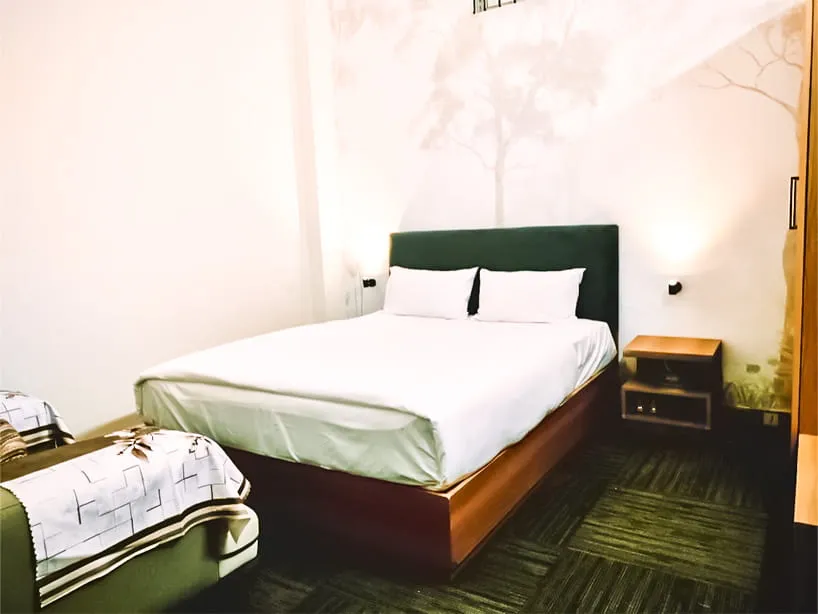
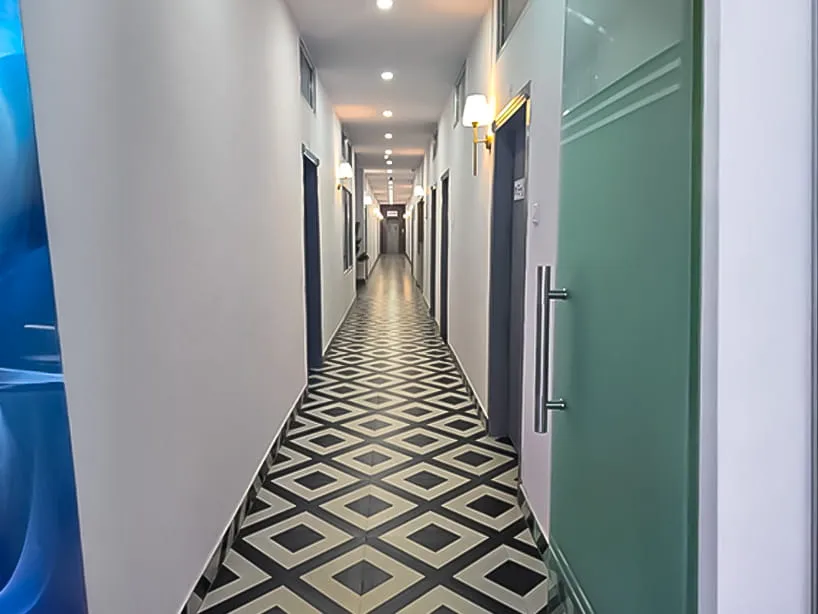
- ✓ Separate buildings for male and female residential patients not wings, entirely separate physical structures providing maximum gender separation and safety
- ✓ 24-hour nursing and medical clinical support
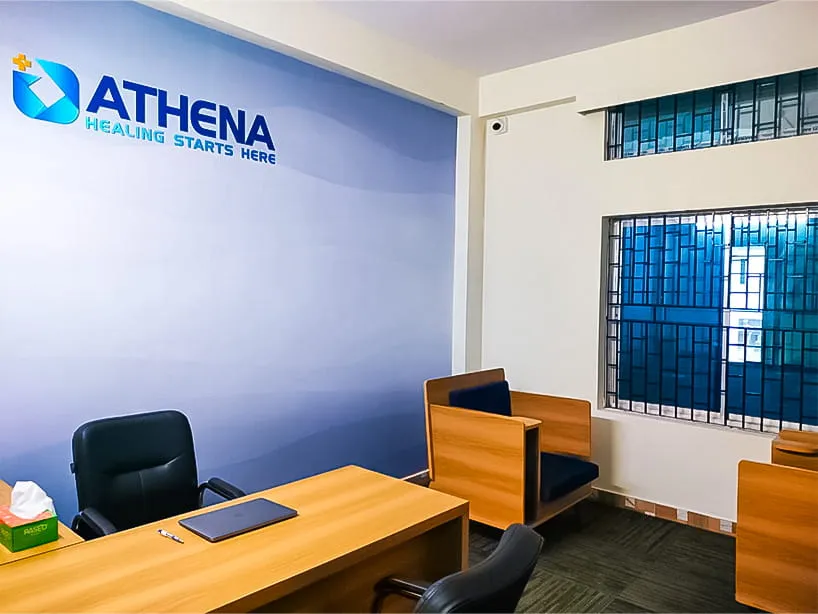
- ✓ Psychiatric consultation rooms and individual therapy rooms
- ✓ Group therapy spaces for peer-based therapeutic work
- ✓ Outdoor space appropriate to Guwahati's natural environment
- ✓ Structured daily therapeutic programme therapy, recreation, meals, and rest
- ✓ Multilingual clinical team Assamese, Bengali, Hindi
- ✓ Family consultation and psychoeducation facilities
- ✓ 24×7 admission capability no waiting period for urgent admissions
Why Families Choose Athena
24×7 Psychiatric Availability
Residential facilities operate with qualified clinical staff on-site round-the-clock not a night nurse who calls a doctor, but clinical support available when the person or family needs it. Mental health and addiction crises do not happen between 9am and 5pm.
Psychiatry-Led Care
Every treatment decision at Athena is made by or under direct supervision of a qualified psychiatrist. Assessment, diagnosis, medication decisions, and discharge planning are all psychiatry-led. Clinical authority rests with a qualified physician.
Confidentiality
Treatment records are protected under strict information security protocols. No information is ever shared with any third party employers, family members, or other healthcare providers without explicit written consent. All admissions are handled with complete discretion.
Integrated Dual Diagnosis
Addiction and mental health conditions are managed simultaneously from day one. Sequential treatment addressing one then the other produces the most common relapse pattern. Concurrent management under one clinical team avoids this entirely.
Relapse Prevention Built In From Day One
Identifying specific triggers, building coping strategies, creating an early warning sign system with families, and establishing a clear re-engagement protocol all agreed before discharge, not handed to the patient as a printed sheet on the last day.
Signs That Someone Needs Help A Guide for Assam Families
In Assam and across the Northeast, families often manage a member's mental health or addiction problem for years before seeking professional help because of stigma, because specialist services felt inaccessible, or because the situation normalised gradually.
Alcohol use has become daily, or the person becomes physically unwell sweating, shaking, nauseous when they have not drunk for a day
Drug use is regular, increasing, and the person is unable to stop despite wanting to or despite family pressure
Persistent low mood, loss of interest in activities, and withdrawal from family and community lasting more than two weeks
Behaviour has become markedly abnormal suspicious of family members, speaking very rapidly, not sleeping but apparently full of energy, or making obviously poor decisions
A previous episode of psychiatric illness psychosis, severe depression, mania that did not receive adequate clinical management and has returned
The person has expressed suicidal thoughts or has harmed themselves warrants immediate contact with Athena Guwahati
Contact Athena Guwahati's 24x7 helpline on +91 9289086193 for immediate confidential guidance. Same-day assessment and admission is possible for urgent presentations.
Who Athena Guwahati Serves
Guwahati residents all areas
Patients from across Guwahati Garchuk, VIP Road, Jalukbari, Dispur, Maligaon, Zoo Road, Sixmile, GS Road, Christian Basti, Beltola, Ganeshguri, Paltan Bazaar within easy reach of the Garchuk facility.
Assam districts
Kamrup Metropolitan, Sonitpur (Tezpur), Jorhat, Dibrugarh, Tinsukia, Sivasagar, Nagaon, Barpeta, Dhubri, Lakhimpur, and other Assam districts for whom Guwahati is the accessible regional hub for specialist psychiatric care.
All eight Northeast states
Athena Guwahati serves as the regional hub for all eight Northeast states Meghalaya (Shillong, approximately 2 hours), Nagaland, Arunachal Pradesh, Manipur, Mizoram, Tripura, and Sikkim where no equivalent specialist private facility exists locally.
For families travelling to Guwahati
Pre-arrival virtual consultation ensures efficient admission from day one. Family accommodation is available near the facility. Regular structured updates by phone, video, or written summary keep families informed throughout the treatment period. Family counselling by video is available for those unable to travel.
Athena Guwahati and the Northeast Mental Health Mission
The launch of Athena Guwahati reflects a commitment to decentralising quality mental healthcare in India ensuring geographic location does not determine the quality of psychiatric care a person can access.
It means a family in Jorhat with a member experiencing first-episode psychosis does not have to travel to Delhi for appropriate care. It means a woman in Dibrugarh dealing with severe depression has access to a women-only residential treatment option without leaving Assam. It means a young person in Guwahati with alcohol dependence can receive medically supervised detox followed by structured residential rehabilitation in their city, in their language.
Athena Guwahati Location
Address:
Near Kaziranga English Academy, Garoo-ghuli, Garchuk, Guwahati, Assam
- From Guwahati Airport (Lokpriya Gopinath Bordoloi International): 20–25 minutes via VIP Road
- From Guwahati Railway Junction: 25–35 minutes
- From Maligaon and VIP Road areas: 10–15 minutes
- From Dispur (Assam State Capital): 20–25 minutes
- From Jalukbari and IIT Guwahati: 10 minutes
- From Shillong, Meghalaya: Approximately 2 hours via NH6
24x7 admission contact +91 9289086193 at any time
Frequently Asked Questions
Yes. Athena Guwahati is Northeast India's largest integrated private psychiatric and addiction treatment hospital with capacity and clinical scope beyond any existing private facility in the region.
Yes. Entirely separate buildings for male and female patients not shared wards providing the highest level of gender safety and privacy.
Yes. Athena Guwahati serves as the regional hub for all eight Northeast states. Patients travel from Meghalaya, Nagaland, Manipur, Mizoram, Arunachal Pradesh, Tripura, and Sikkim where equivalent specialist facilities do not exist.
Clinical interactions can be conducted in Assamese, Bengali, and Hindi. All clinical staff include language capability appropriate to the Northeast's linguistic communities.
Yes. 24x7 admission and clinical support for residential patients. Outpatient appointments operate during scheduled clinic hours.
Yes. Medically supervised alcohol detox with appropriate medication management and 24-hour clinical monitoring essential given Assam's particularly high rates of alcohol use disorder and the genuine medical risks of unsupported alcohol withdrawal.
Yes. A separate female residential building with female clinical staff provides gender-safe care for women extending Athena's women-only care model from OKAS Gurgaon to the Northeast.
Yes. Given the documented prevalence of adolescent substance use and mental health problems in Assam, the Guwahati clinical team has specific clinical awareness and experience in adolescent presentations.
Completely. All records are fully confidential no information shared without explicit written consent.
The clinical governance of Dr. Nimesh Desai former Director of IHBAS, Faculty at NIMHANS and AIIMS ensures Guwahati patients access the same specialist clinical depth as patients at Athena's NCR facilities, including oversight of complex and treatment-resistant presentations.
Yes. A detailed virtual clinical assessment before the family travels means admission is efficient and the treatment plan is underway from day one. Contact the 24x7 helpline to arrange.
The NMHS identifies that the vast majority of people with mental health conditions across the Northeast receive no clinical care due to shortage of trained psychiatric professionals, limited structured facilities, high stigma, and geographic barriers. Athena Guwahati addresses the facility shortage directly and conducts regional outreach to reduce stigma and support earlier treatment-seeking.
Also at Athena Behavioral Health
Why Families Delay Seeking Help and Why It Matters
The families who contact Athena have almost always waited longer than they wish they had.
The most common reasons:
Hoping the situation will resolve without intervention
Addiction and serious mental health conditions do not self-resolve. Early treatment consistently produces better outcomes than crisis-point treatment.
Stigma
Concern about what seeking help will mean for family reputation or the person's professional standing. All treatment at Athena is completely confidential; nothing is shared without explicit written consent.
Minimising the severity
Attributing depression to stress, attributing alcohol dependence to a hard week, attributing psychotic symptoms to personality. The clinical threshold for seeking help is a pattern that is interfering with functioning and not resolving on its own.
Waiting for the person to agree
Sometimes people need help before they are willing to accept it. A family consultation with the clinical team helps families understand their options even when the person is resistant.
Not knowing how to start the conversation
The Athena admissions team can advise on this specifically; a clinical consultation before any family conversation is often the most useful first step.
The clinical evidence on timing is consistent. Depression caught at moderate severity responds more quickly and with fewer medication trials than severe, recurrent, treatment-resistant depression that has been present for years. Alcohol dependence addressed at two years is clinically different from alcohol dependence addressed at ten years. Untreated bipolar disorder accumulates episodes, each of which causes avoidable harm to relationships, employment, and finances. Acting on concern rather than waiting for certainty produces better outcomes.
What to Expect The Treatment Process at Athena
First contact
The first call or WhatsApp message to Athena is confidential. No commitment is required. The admissions team gathers basic information, helps the caller understand the situation, and arranges the most appropriate next step a same-day assessment for urgent presentations, or a scheduled appointment within 24–48 hours for non-urgent cases.
Comprehensive psychiatric assessment
The formal first step is a comprehensive psychiatric assessment with a qualified psychiatrist. This covers: the presenting condition and its history; previous treatment and medications; physical health factors; substance use all substances, not just those disclosed initially; family psychiatric history; social and occupational circumstances; and the person's own treatment goals. For dual diagnosis presentations the most common clinical profile across Athena facilities both the addiction and psychiatric dimensions are assessed with equal clinical depth. The assessment results in a specific, individualised treatment plan.
Level of care decision
Not everyone who contacts Athena needs residential admission. The assessment determines the appropriate level of care: outpatient psychiatric consultations for moderate presentations with a stable home environment; day care for those who need daily clinical contact but can return home each evening; residential admission for severe, complex, high-risk, or dual diagnosis presentations that cannot be safely managed in a less intensive setting. The decision is clinical, not influenced by bed availability.
The residential programme
Residential patients follow a structured daily programme: individual psychiatric review (daily in the acute phase, reducing as stability is established), individual therapy sessions (CBT, IPT, trauma-focused approaches as clinically indicated), group therapy where therapeutically appropriate, psychoeducation, wellness activities (yoga, meditation, mindfulness), meals, and structured rest. Structure is therapeutic in itself addiction and mental health conditions disrupt all normal rhythms, and the residential programme re-establishes them progressively.
Discharge and aftercare
Discharge from Athena is a planned clinical transition, not an administrative event. The aftercare plan is developed in the weeks before discharge, tested in the final days of admission, and activated at the moment of leaving. It specifies: continuing outpatient psychiatric appointments (initially frequent, reducing as stability establishes); individual therapy; medication review schedule; a clear list of early warning signs the family and person should watch for; and a specific protocol for what to do if warning signs appear. The period immediately following discharge is statistically the highest-risk time for relapse; the aftercare plan addresses this directly.
The Athena Behavioral Health Network
Each Athena facility is one node in a coordinated national network founded in Gurgaon in 2021 and now operating five centres across Delhi NCR and Northeast India. Clinical governance is unified under Dr. Nimesh G. Desai, ensuring that the standard of specialist psychiatric oversight is consistent across every facility.
Athena Gurugram
Men's mental health and addiction recovery centre, NABH accredited
Athena OKAS, Gurugram
India's first women-only residential mental health centre, Sector 39 Gurgaon
Athena Luxus, New Delhi
Luxury residential rehabilitation, 4-acre estate at Ghitorni, 18 private rooms
Athena Noida
Integrated addiction and mental health centre, separate male and female wings, Greater Noida
Athena Guwahati
Northeast India's largest integrated private psychiatric hospital, Garchuk, Guwahati
For patients who require a level of care or specialist expertise not available locally within one facility, seamless coordination within the Athena network ensures continuity of care without gaps or repeated assessments.