What is OCD (Obsessive-Compulsive Disorder)?
Obsessive-Compulsive Disorder (OCD) is a chronic mental health condition characterised by unwanted, intrusive thoughts (obsessions) and repetitive behaviours or mental acts (compulsions) performed to reduce anxiety. OCD affects approximately 2–3% of the Indian population and can significantly impair daily functioning, relationships, and quality of life if left untreated.With the right specialist treatment — particularly Exposure and Response Prevention (ERP) therapy — the majority of people with OCD achieve significant symptom reduction and regain control of their lives.

Common Types of OCD
Obsessive-Compulsive Disorder can present in different ways. These are some of the most common OCD patterns and symptoms:
Contamination OCD: Fear of germs, dirt or contamination leading to compulsive cleaning, handwashing, or avoidance of surfaces perceived as dirty or dangerous.
Checking OCD: Repeated checking behaviours such as checking locks, gas, appliances, or constantly seeking reassurance to prevent feared harm.
Intrusive Thoughts OCD: Unwanted and disturbing thoughts related to harm, religion, relationships or sexuality that cause significant distress and anxiety.
Symmetry / Ordering OCD: Extreme need for order, symmetry, counting, or repeating actions until things feel “just right”.
Hoarding OCD: Persistent difficulty discarding possessions regardless of their actual value, often leading to excessive accumulation.
Health Anxiety OCD: Obsessive fear of having or developing a serious illness, leading to compulsive checking and reassurance seeking.
Signs and Symptoms of OCD
OCD symptoms generally fall into two categories — obsessions (intrusive thoughts) and compulsions (repetitive behaviours). Most individuals experience a combination of both.
Recurrent, unwanted intrusive thoughts or disturbing mental images
Repetitive rituals such as washing, checking, counting or repeating actions
Intense anxiety or distress when compulsive rituals are not performed
Spending more than one hour daily on obsessions or compulsions
Avoidance of triggers including specific places, objects or people
Significant impact on work performance, studies or relationships
Constant reassurance-seeking from family members or loved ones
Distress when objects are not symmetrical, aligned or arranged properly
When should you seek OCD treatment?
OCD rarely improves without professional intervention. If you recognise these signs, speaking to an OCD specialist is the right next step.
- Rituals or compulsions are taking more than an hour of your day
- Obsessive thoughts are causing significant anxiety or distress
- OCD is affecting your work, studies or relationships
- You are avoiding places, people or situations due to OCD fears
- Previous treatments or medications have not provided lasting relief
Treatment approach at Athena
All OCD treatment programs are personalised, evidence-based and delivered with complete confidentiality.
Comprehensive psychiatric assessment
Detailed evaluation of OCD severity using the Y-BOCS scale, identification of OCD subtype, co-occurring conditions and previous treatment history.
ERP therapy — individual & group sessions
Structured Exposure and Response Prevention (ERP) therapy delivered by trained OCD specialists through individual and supportive group sessions.
Medication management (if indicated)
SSRIs and other evidence-based medications prescribed alongside therapy under close psychiatric supervision and monitoring.
Relapse prevention & long-term support
Long-term coping strategies, family psychoeducation and continued follow-up support to help individuals manage OCD independently and reduce relapse risk.
Doctors treating OCD at Athena
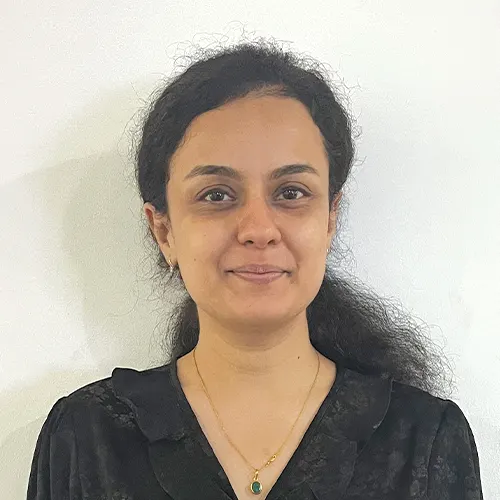
Dr. Supriya Mathur
MBBS, MD Psychiatry · 15+ years
Addiction Specialist, Gurgaon
Dr. Tanul Jain
MBBS, MD Psychiatry · 15+ years
De-addiction Specialist, Gurgaon
Nikita Gaba
RCI-Licensed- Clinical Psychologist · 8+ years
De-addiction Specialist, GurgaonDepression treatment centers
Gurgaon Center
Haryana
Noida Center
Uttar Pradesh
Delhi Center
Delhi NCR
Guwahati Center
Assam
Frequently asked questions
Is OCD curable?
OCD is not always fully "cured" but is highly treatable. Most patients who complete ERP therapy and medication management achieve significant and lasting symptom reduction — many experience full remission.
What is ERP therapy and how effective is it for OCD?
Exposure and Response Prevention (ERP) is the gold-standard psychological treatment for OCD, recommended by WHO and NICE guidelines. Research consistently shows 60–80% of patients achieve significant improvement with ERP.
How long does OCD treatment take?
A standard ERP course typically involves 12–20 sessions over 3–5 months. More complex or severe cases may require longer treatment. Most patients notice meaningful improvement within the first 6–8 sessions.
Can OCD be treated without medication?
Yes — ERP therapy alone is effective for many patients. Medication (typically SSRIs) is added when symptoms are severe or when therapy alone provides insufficient relief. The decision is made clinically on a case-by-case basis.
Is OCD treatment available for children and teenagers?
Yes. Athena provides age-appropriate OCD treatment for children and adolescents, including family-involved ERP therapy. Early intervention significantly improves long-term outcomes.