What is Borderline Personality Disorder (BPD)?
Borderline Personality Disorder (BPD) is a complex mental health condition characterised by intense emotional dysregulation, unstable interpersonal relationships, impulsive behaviour and a distorted sense of self. People with BPD often experience emotions more intensely and for longer than others — leading to significant distress in relationships and daily functioning. BPD is not a character flaw — it is a clinical disorder that responds well to specialist therapy, particularly Dialectical Behaviour Therapy (DBT).

Emotional Healing & Recovery
Recovery begins with the right care — and the courage to ask for help.
Intense, Rapidly Shifting Emotions
Extreme emotional reactions that are difficult to control and take longer to return to baseline.
Idealisation and Devaluation Cycles
Oscillating between idealising and devaluing people — the splitting pattern characteristic of BPD.
Reckless, Self-Damaging Behaviours
Impulsive spending, substance use or self-harm as ways of managing overwhelming emotions.
Unstable Self-Image
Persistent uncertainty about goals, values, preferences and identity — feels constantly shifting.
Signs and symptoms
Recognising the signs early leads to better outcomes. Common indicators include:
Intense fear of real or imagined abandonment
Unstable, intense personal relationships
Rapidly shifting self-image or sense of identity
Impulsive, self-destructive behaviours
Self-harm or recurrent suicidal thoughts or threats
Extreme emotional mood swings lasting hours to days
Chronic feelings of emptiness
Intense, inappropriate anger or difficulty controlling anger
When to seek BPD treatment
BPD rarely improves without professional intervention. Seek specialist help if:
- Recurring self-harm or suicidal thoughts or behaviour
- Intense, unstable relationships causing repeated crises
- Inability to regulate emotions in daily life
- Impulsive behaviours causing repeated harm
- Chronic emptiness or identity confusion
Treatment approach at Athena
All treatment programs are personalised, evidence-based and delivered with complete confidentiality.
Individual DBT therapy
Exploring behavioural patterns, validating emotional experiences and building practical change strategies.
DBT skills training groups
Structured sessions teaching mindfulness, distress tolerance, emotion regulation and interpersonal effectiveness.
Phone coaching support
Applying DBT skills in real-life situations between therapy sessions with guided therapeutic support.
Psychiatric evaluation & medication support
Assessment and management of co-occurring conditions such as depression, anxiety or impulsivity where needed.
Long-term emotional stability & relapse prevention
Developing sustainable coping mechanisms, relationship skills and emotional resilience for long-term recovery.

Doctors treating Behavioral Addictionat Athena

Dr. Ashish Mittal
MBBS, MD Psychiatry (AIIMS Delhi) · 23+ years
Addiction Specialist, Gurgaon
Dr. Rahul Raii
MBBS, MD Psychiatry · 15+ years
De-addiction Specialist, Chandigarh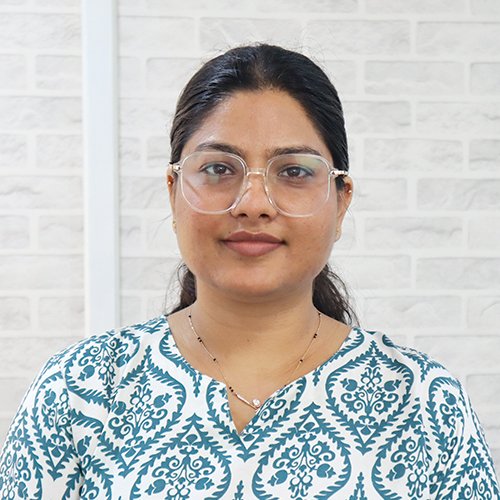
Aarti Singh
MBBS, MD Psychiatry (PGIMER) · 15+ years
De-addiction Specialist, ChandigarhBehavioral Addictiontreatment centers
Gurgaon Center
Haryana
Noida Center
Uttar Pradesh
Delhi Center
Delhi NCR
Guwahati Center
Assam
Frequently asked questions
Can BPD be cured?
BPD cannot be cured but symptoms reduce significantly with treatment. Most people completing a full course of DBT experience dramatic improvements in relationships, emotional regulation and quality of life.
How long does DBT take for BPD?
A standard DBT program is 6–12 months. Significant improvement is typically seen within 3–6 months.
Is BPD the same as bipolar disorder?
No. BPD involves mood shifts triggered by interpersonal events lasting hours; bipolar involves mood episodes lasting days to weeks. They require different treatments.
Does BPD require hospitalisation?
Most BPD treatment is outpatient. Inpatient admission is reserved for acute safety crises.
What is the difference between DBT and CBT for BPD?
DBT was specifically developed for BPD and adds radical acceptance, dialectical thinking and skills training. DBT is the evidence-based first-line treatment for BPD.